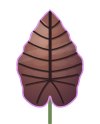
A Victorian hybrid from Veitch's nursery that leans toward its cuprea parent. Back in the trade through tissue culture.
- Type
- Hybrid cross
- Bred by
- John Seden, Veitch & Sons, Chelsea (by 1869)
- Availability
- rare
- Named color forms
- 2
About ‘Sedenii’
The name
Named for John Seden, Veitch's hybridizer, who raised more than 85 plants across many families. An 1869 source credits his colleague John Dominy instead.
Parentage of ‘Sedenii’
It is a cross of cuprea (seed parent) with ‘Lowii’ (pollen parent).
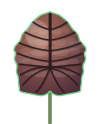

Lineage at a glance
- 2 generations traced back
- 3 ancestors
By pedigree, ‘Sedenii’ traces to cuprea (50%) and longiloba (50%). Shares are pedigree arithmetic — half from each parent, all of it for a sport or selection — not a genetic test.
Further back: longiloba.
Color forms of ‘Sedenii’ 2
Named variegated and color selections of ‘Sedenii’ that are sold or traded under their own name.
This is not a complete list. New color forms appear all the time, many are extremely hard to find, and reliable information about them online is very limited, so some will be missing.
Sedenii Aurea
ultra-rare
Yellow-variegated ‘Sedenii’, sold as corms and tissue culture.
Sedenii Pink Mint
ultra-rare
Pink and mint together on ‘Sedenii’.
Siblings and half-siblings 16
‘Bachii’ · ‘Black Knight’ · ‘Chantrieri’ · ‘Chelsonii’ · ‘Copper Latte’ · ‘Dark Butterfly’ · ‘Gaulainii’ · ‘Golden Bone’ · ‘Ivory Coast’ · ‘Maroon Shield’ · ‘Mortefontanensis’ · ‘Orchid Jungle’ · ‘Purple Dragon’ · ‘Red Secret’ · ‘Uhinkii’ · ‘Victory’